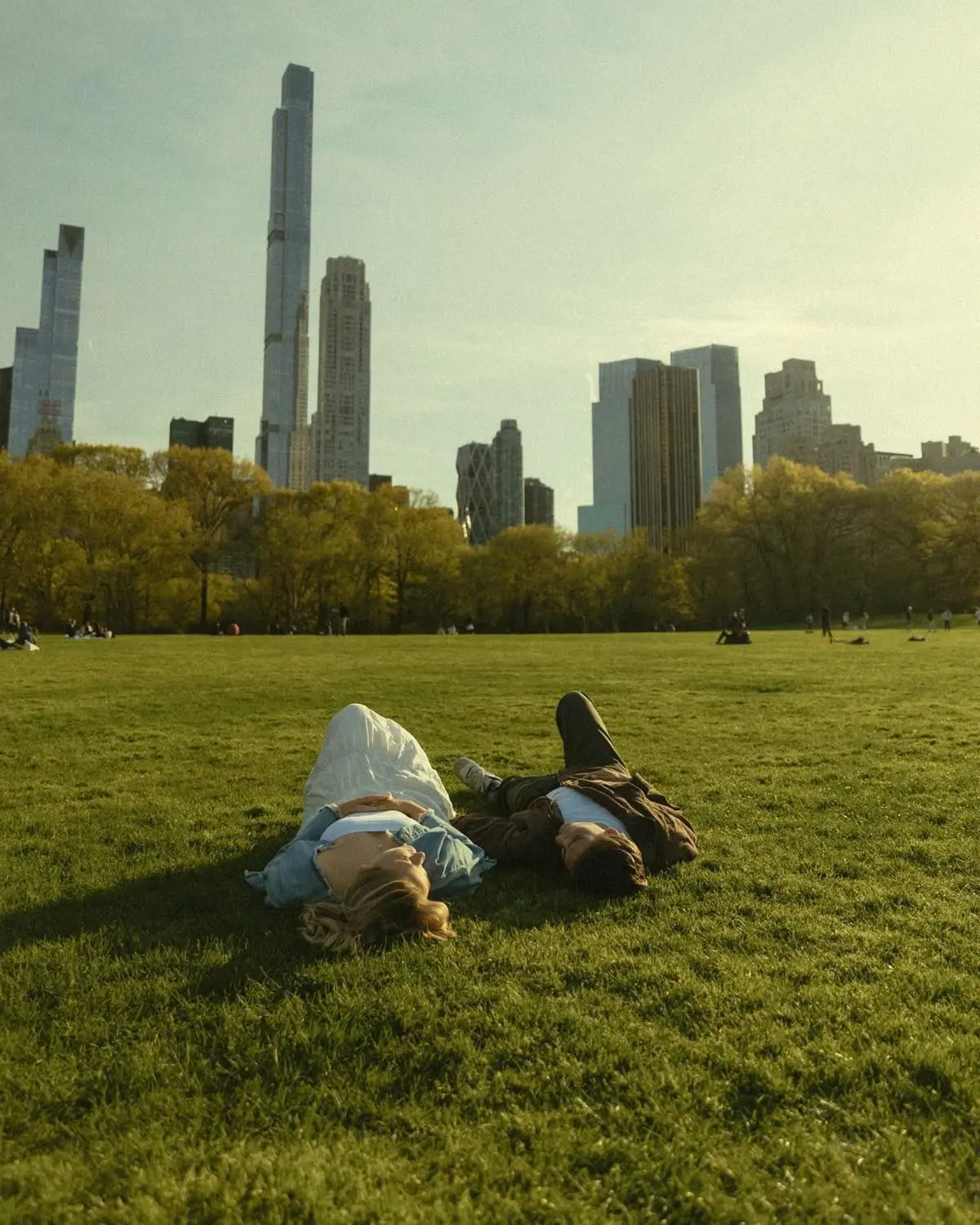
A walk through Central Park, the place that looks like New York's most natural spot and is designed from end to end.
By The Magazine
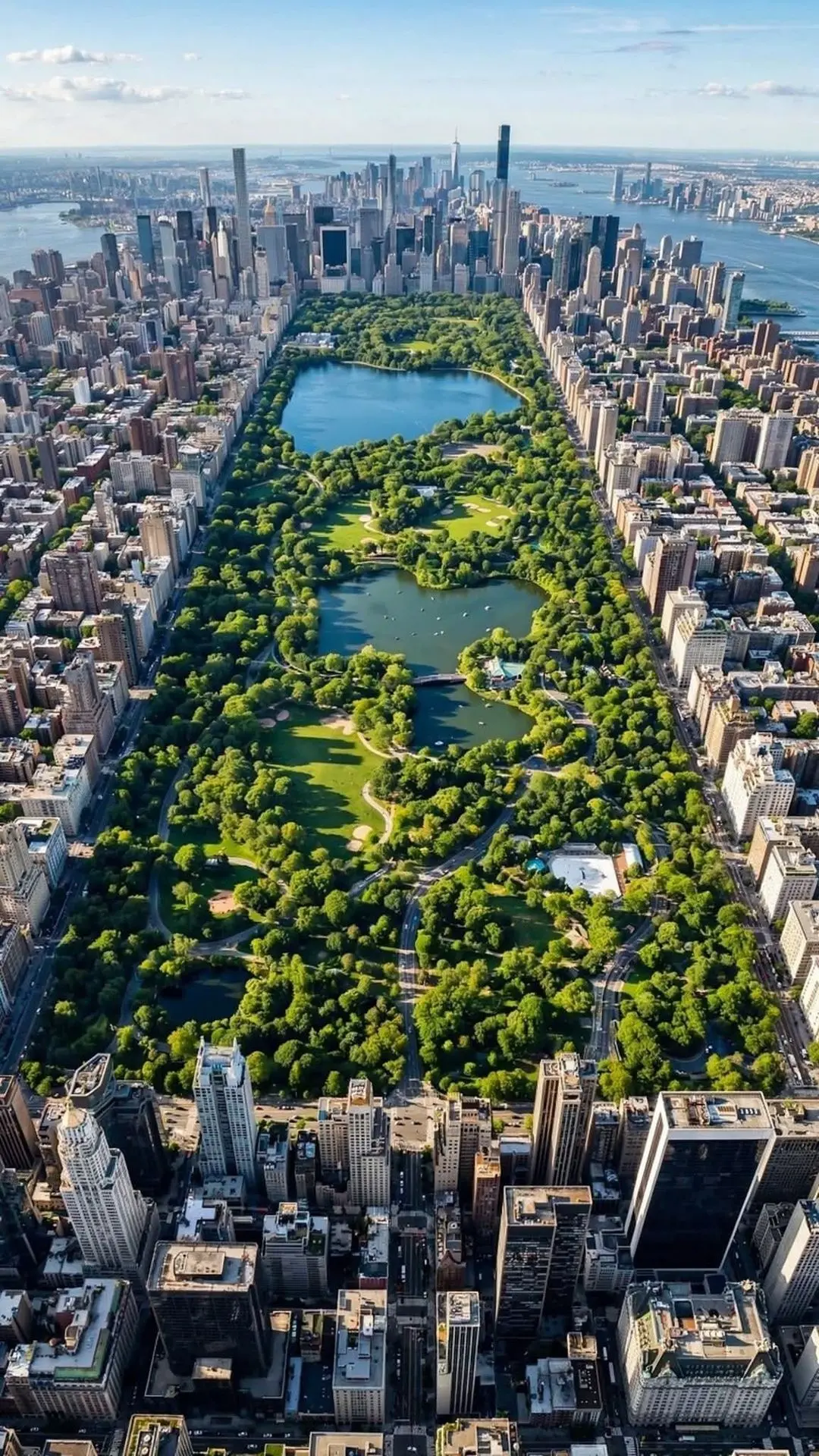
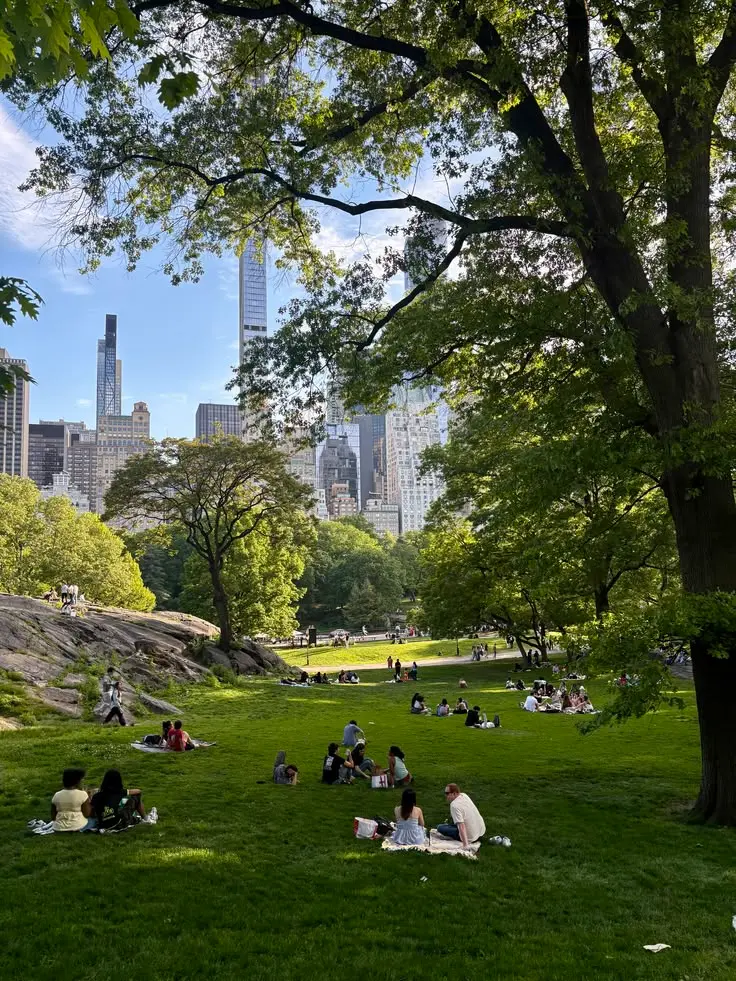
Central Park looks like countryside the city simply decided not to build on, but almost nothing in it got there on its own. The meadows, the lake, the gentle hills and even the woods that feel wild were all put there on purpose. It's one of the most ambitious pieces of design ever made, dressed up as something effortless, and knowing that completely changes the way you walk through it. Here's a route from south to north, with what's worth seeing and the story behind it.
01. BEFORE YOU GO IN: NOTHING HERE IS AN ACCIDENT
By the mid-1800s, New York was growing nonstop and didn't have a single large green space. People who traveled to London or Paris came home talking about Hyde Park and the Bois de Boulogne, and the pressure built until the state bought a rocky, swampy stretch of land in the middle of the island. The design came out of a competition won by Frederick Law Olmsted and Calvert Vaux, whose idea was to make difficult terrain look like a perfect natural landscape. They moved tons of earth, planted hundreds of thousands of trees and even sank the roads that cross the park so the traffic would stay out of sight. Olmsted saw it as a place for everyone, where the person who cleaned houses and the person who lived on Fifth Avenue could walk the same meadow on a Sunday.
The land wasn't empty. It was home to Seneca Village, a community founded in 1825, largely made up of African American families who were among the few in the city to own their own land, with homes, churches and a school. Records show that around sixteen hundred people were displaced to make way for the park. It's the part of the story almost no one sees, and it's worth keeping in mind.
The Ėditure rule: A place means more when you know who dreamed it up, and who paid the price.
02. THE MALL
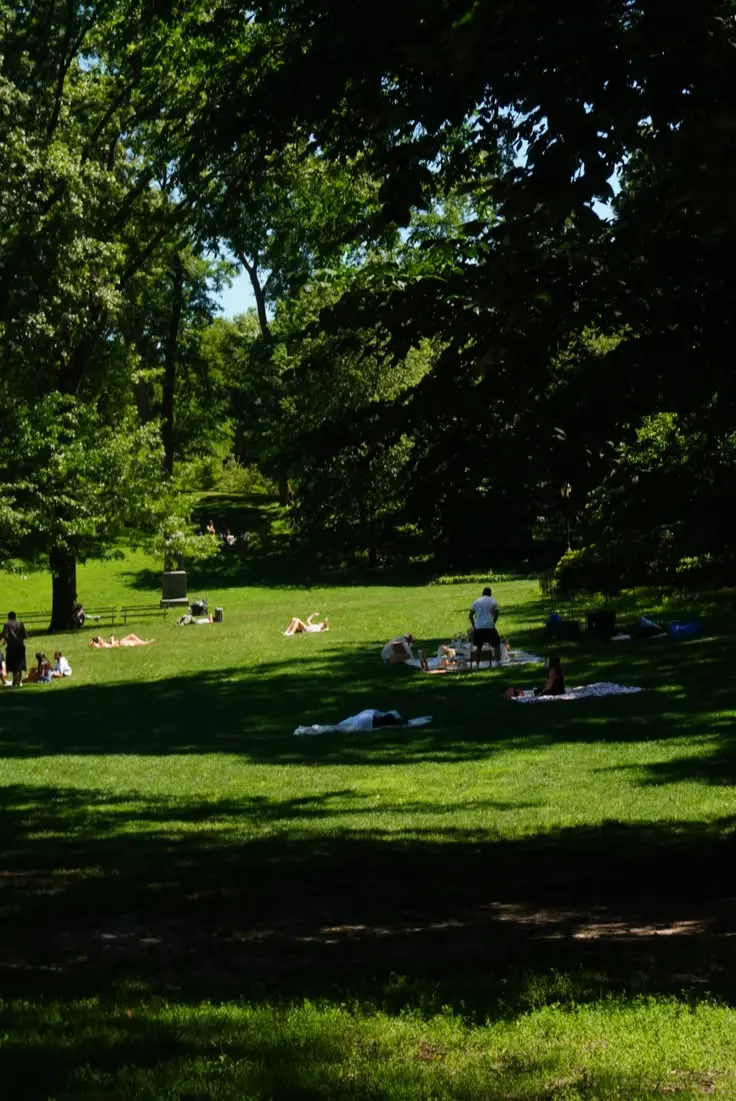
It's the only straight line in the entire park, a promenade of towering elms that starts around 66th Street. It was designed as the elegant walk where the city went out to see and be seen, and it still works that way: musicians, people strolling slowly, and beautiful light in the fall when the elms turn yellow.
03. BETHESDA TERRACE
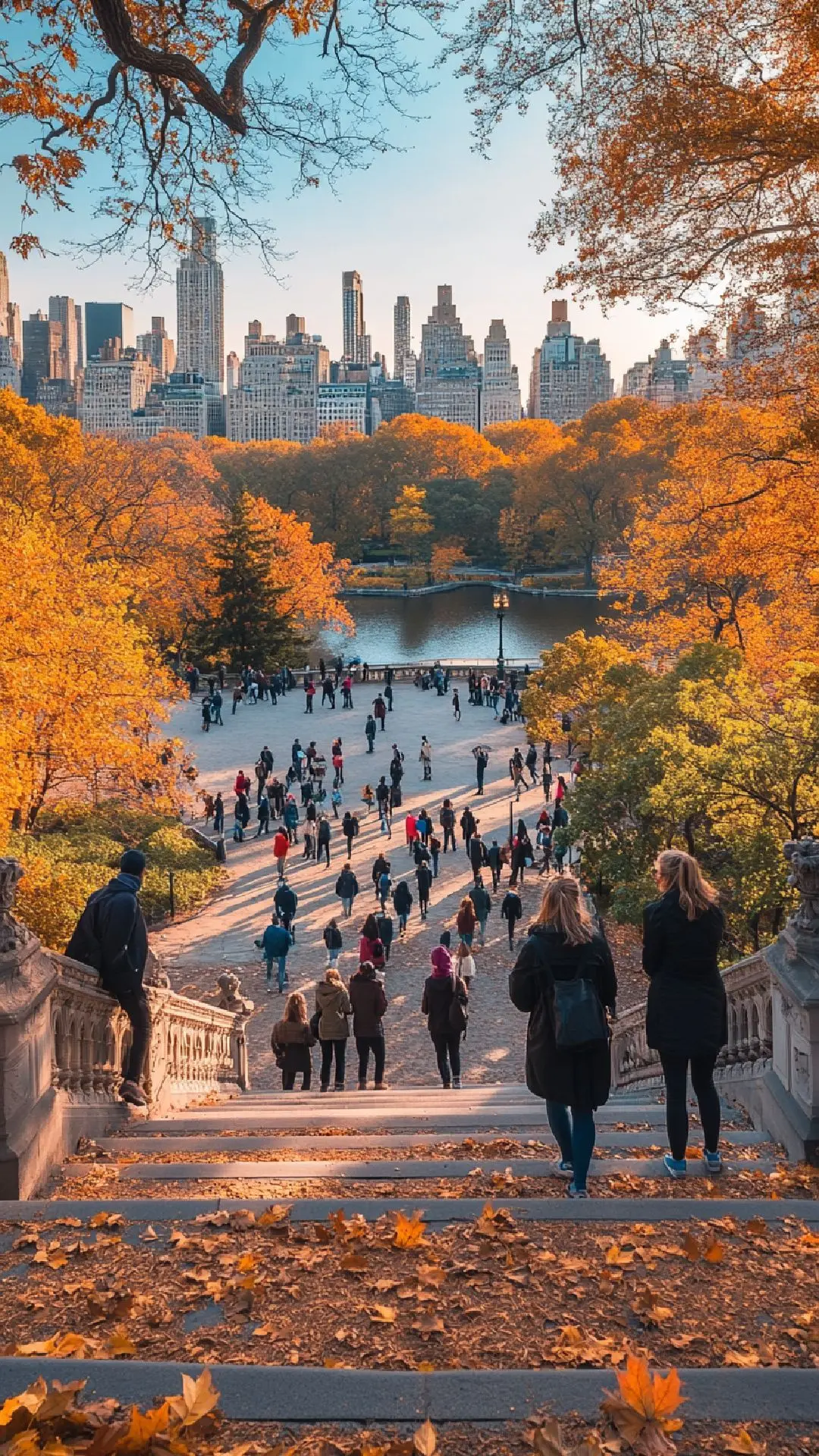
The Mall leads you straight to the heart of the park and almost the only formal architecture in it: a terrace with its fountain and the Angel of the Waters, designed as New York's great open-air hall. Take the stairs down and look at the tiled ceiling of the arcade below, which hardly anyone notices.
The Ėditure rule: In Central Park, look up too.
04. THE LAKE AND BOW BRIDGE
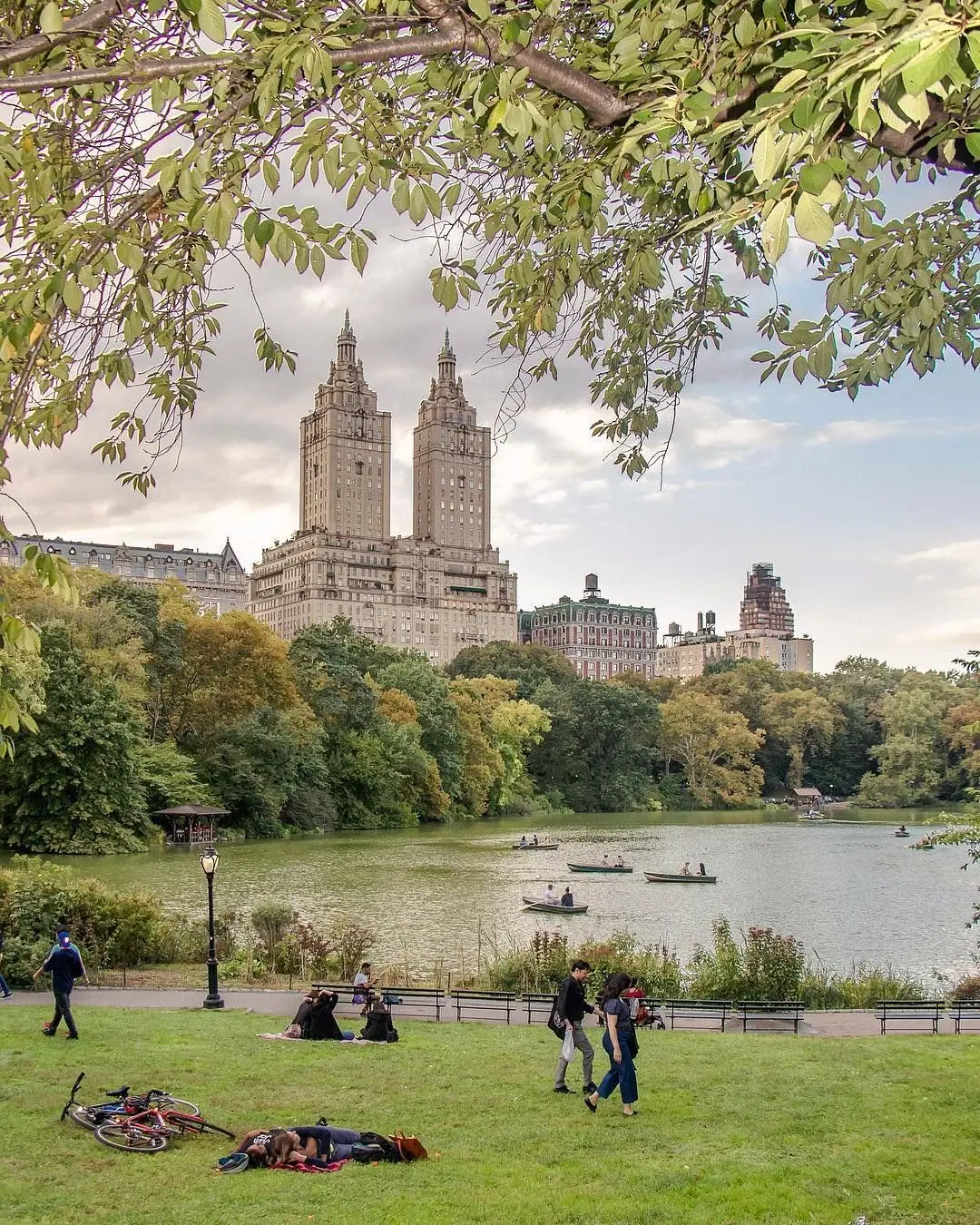
A few steps away is the lake and the bridge that shows up in a thousand photos without most people knowing its name: Bow Bridge. If you have time, rent a rowboat at the Loeb Boathouse and see it from the water; the park looks completely different from there.
05. GET LOST IN THE RAMBLE
On the other side of the bridge begins the Ramble, a forest designed for getting lost, with paths that loop back on themselves so you're never quite sure where you are. That something like this exists in the middle of Manhattan is exactly Olmsted and Vaux's trick. It's also one of the best places in the city for birdwatching in spring and fall.
The Ėditure rule: Go without a map. That's what it was made for.
06. CLEOPATRA'S NEEDLE
Behind the Met, on the east side, stands an Egyptian obelisk more than three thousand years old. It's by far the oldest thing in the park and in almost everything around it, and it's usually half empty because hardly anyone knows it's there.
07. THE RESERVOIR LOOP
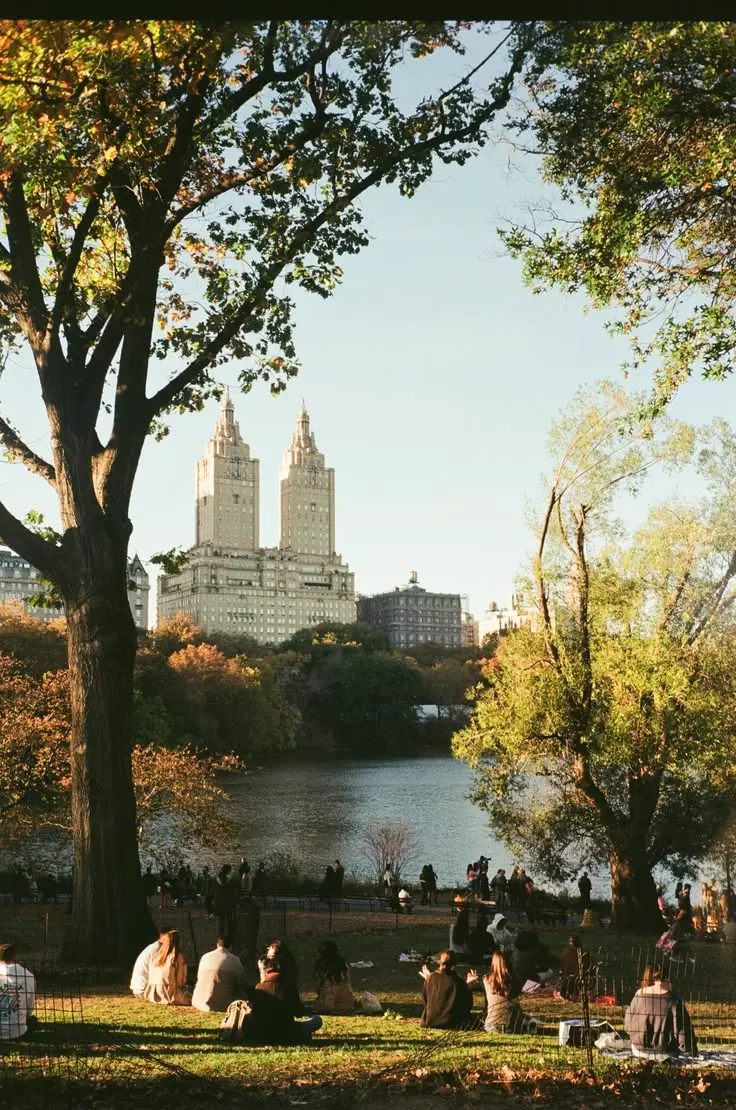
Farther north is the Jacqueline Kennedy Onassis Reservoir, with its path of just over a mile and a half around the water. It's the classic New York running loop, but walked slowly at sunset, it gives you one of the best views of the skyline.
08. IF YOU COME IN FROM THE WEST
At 72nd Street is Strawberry Fields, the corner dedicated to John Lennon, with the Imagine mosaic set into the ground, next to the building where he lived. A little farther south is Sheep Meadow, where all of New York lies out in the sun on the first nice Sunday of the year. And in summer, at the Delacorte Theater, there's free Shakespeare under the stars, one of those things that makes the August heat worth it.
THE TAKEAWAY
You can cross Central Park in half an hour or spend an entire day in it, and either way it's worth knowing that every hill and every curve of the lake was decided by someone. Go in through the Mall, head down to Bethesda, cross Bow Bridge, get lost for a while in the Ramble and end with the sunset over the reservoir. Knowing nothing is an accident doesn't take away the magic; if anything, it makes it even better.
— The Magazine