THE MAGAZINE · THE ĖDITURE
Antonia
By Roberta Lobeira
Artist
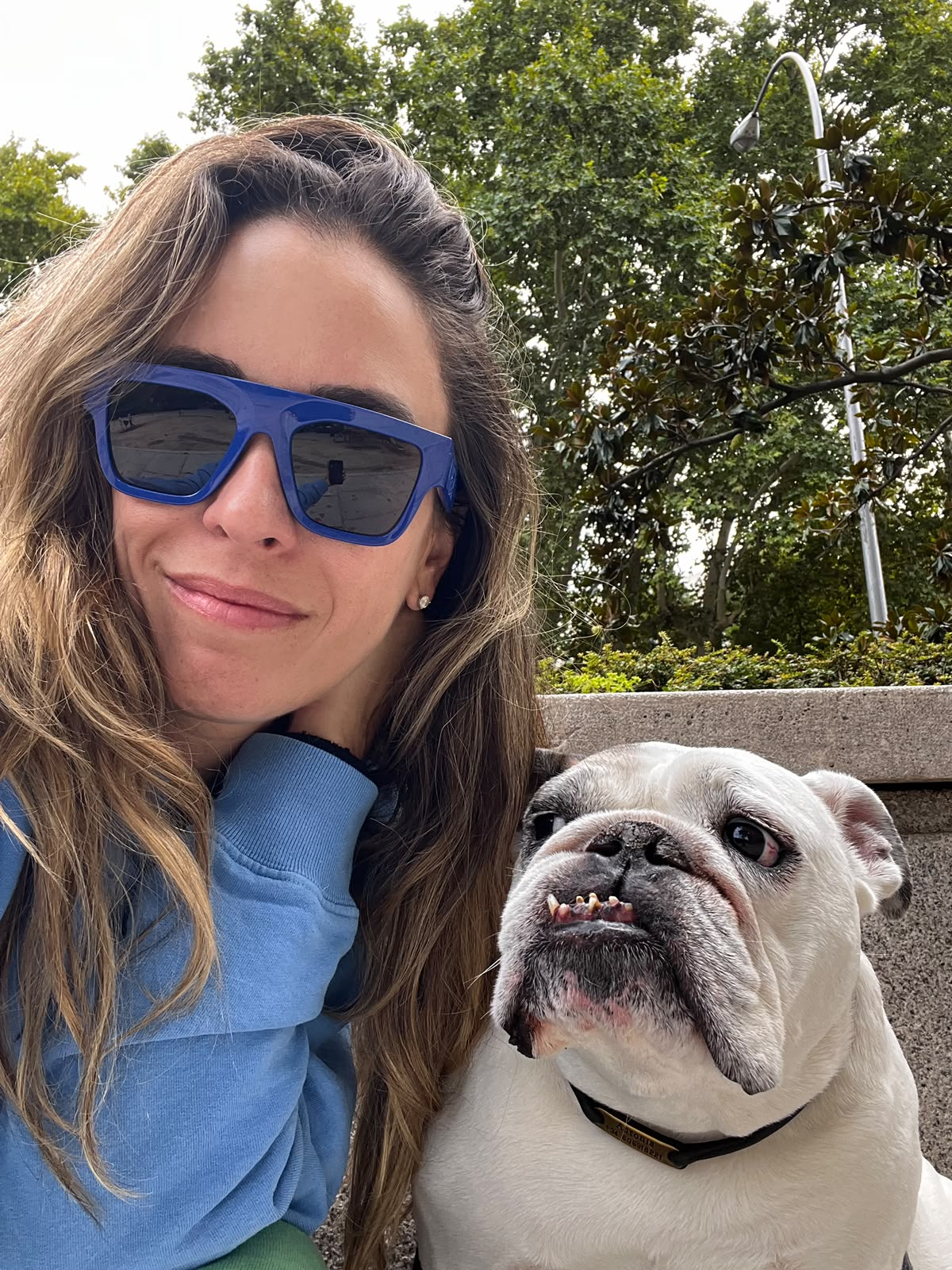
I want to tell you the story of Antonia, my soul dog and, without a doubt, one of the great loves of my life.
Antonia arrived when I had absolutely no plans to get a dog.
I was living in San Diego with my ex. I'd had dogs my whole life at my parents' house, but I'd never had one that was truly my responsibility. I painted all day. I didn't know how to train a dog, what it should eat, how much exercise it needed, how to take care of it… honestly, I had no idea.
And I don't think you really grasp what it means to be responsible for another living being until it's right there in front of you.
My ex-husband has always been a big bulldog fan. One day he called and said we should go see some puppies. I wasn't even planning on coming home with one.
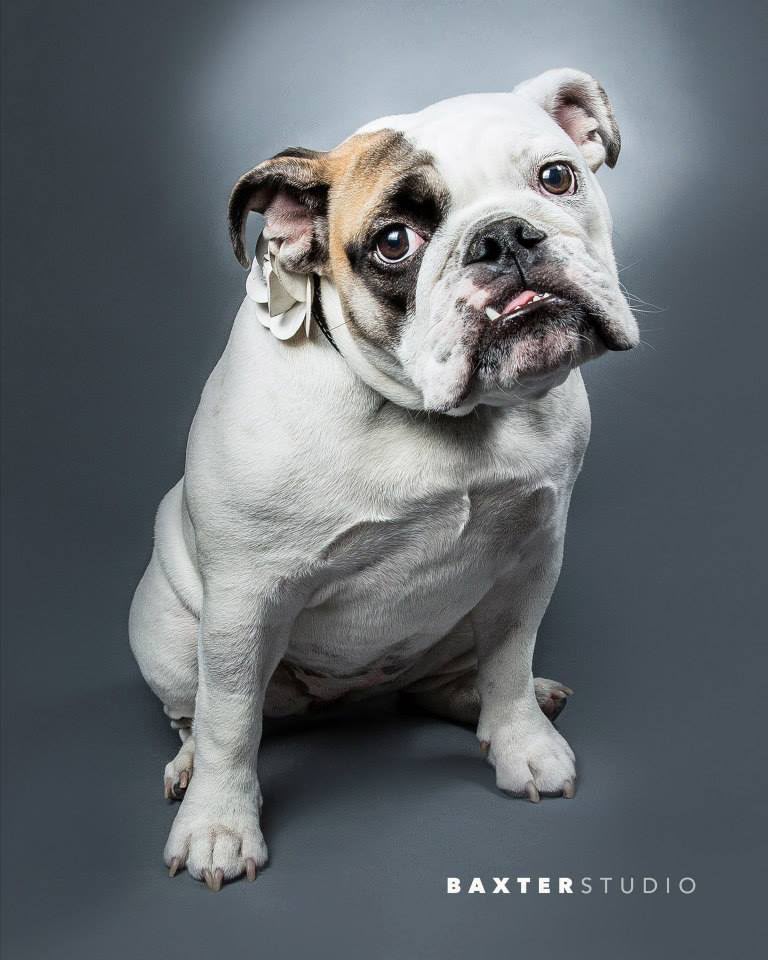
But we got there and there she was, the smallest of the litter. From the very first moment she came straight to me and started wiggling her bottom (because she barely has a tail) as if she'd known me her whole life.
We took her home.
And I don't think a week went by before we were completely in love. She was already my priority: trips change, plans change, everything. Just having to take them out for walks changes your routine.
Learning to love is also learning to care
A close friend of mine had an incredibly well-behaved dog, and she told me: "Nobody wants a badly behaved dog. Go research how to train her."
I started reading and researching. I did crate training only at night, and Antonia learned very quickly to let me know when she needed to go out. At first it's like having a newborn: patience. They all learn.
And that's where something started that has continued her whole life: Antonia forced me to learn.
Love needs information, too.
I had Antonia spayed when she was six months old. At the time I didn't yet have the awareness I have today about abandonment, overpopulation and adoption.
My reasoning was much simpler: what do I want, Antonia or more Antonias? More Antonia.
And over the years I understood that decision even more.
I think bulldogs are extraordinary. I'm hopelessly in love with mine. But precisely because I love Antonia, I can recognize something I now find impossible to ignore: we've taken certain physical traits of some breeds much too far. Breathing problems, skin, eyes, joints, spine, heart… you name it.
Their reproduction isn't natural, either: the vast majority have to be born by C-section.
Then came the food
When Antonia was about three, I watched a documentary called Pet Fooled. It made a huge impression on me because it questioned the commercial pet food industry, and it got me researching a subject I had never paid much attention to. By nature, animals eat other animals; it's only logical. From everything I've read and researched, kibble is largely made of by-products and preservatives, and some people link it to the cancer we're seeing in dogs today. To me it's the opposite of good nutrition, even when it's expensive or your vet recommends it. In my experience, and I've lived in several cities and always looked for the best vet, none of them really knew about nutrition.
I went all in.
Documentaries, books, articles, specialists… a little of everything.
I decided to change Antonia's diet and start giving her food prepared at home. Today she eats different proteins like beef, white fish, chicken, turkey, sardines and eggs, in a diet I've adapted to her needs over time.
A dog needs specific nutrients, minerals and proportions, and that changes depending on its weight, age, activity, health and everything else that makes up its diet. You have to balance it.
The same goes for supplements.
For example, these days I make eggshell powder: I boil the shells, let them dry and grind them into a very fine powder that I use as a source of calcium. But this is really important: the amount shouldn't be copied from another dog. How much calcium a dog needs depends on its weight and, above all, on the full makeup of its diet. A homemade diet has to be properly balanced. And if you don't want to dive into all the research yourself, there are now nutritionists who specialize in dogs.
I also learned which foods are toxic for them: chocolate, onion, grapes or raisins, avocado, and no chicken bones.
And treats don't need to be complicated either: a little piece of banana, apple or cooked sweet potato.
I always think of a very simple example: if a person ate a bag of chips every day of their life, they could probably survive for many years. But surviving and being truly nourished aren't the same thing.
With Antonia, I personally saw huge changes. Her allergies improved enormously, and I practically never need to go to the vet. I take her for her checkups, vaccines and so on, but it really is a very demanding breed: the poor things practically live at the vet, and my Antonia doesn't.
Today she's twelve and a half.
And seeing her doing well at this age is, for me, one of the greatest gifts.
But Antonia ended up teaching me something much more important
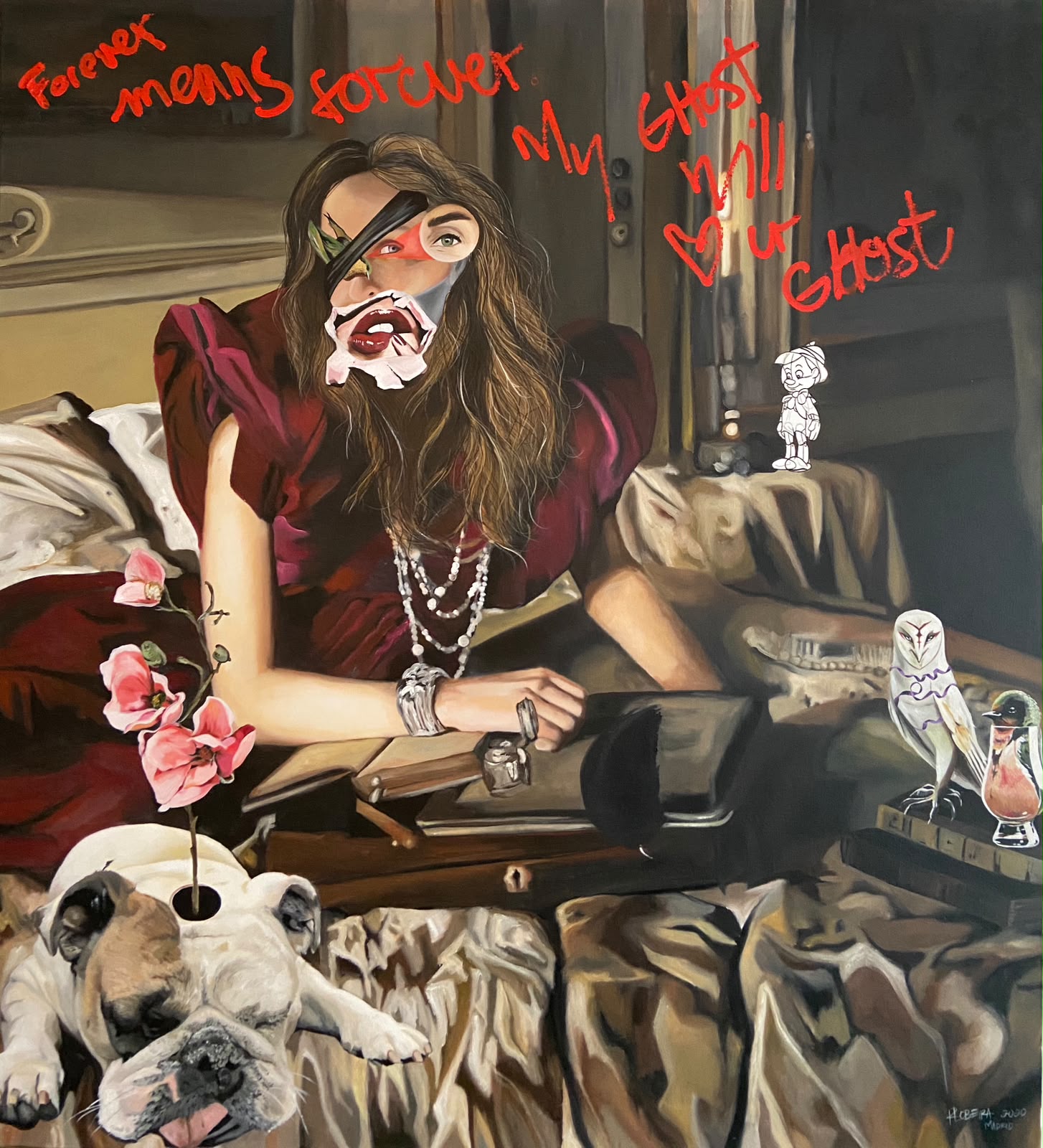
I thought I was learning how to take care of a dog.
What I was really learning was to see animals in a different way.
Thanks to her, I developed an awareness I didn't have before. I started to understand that animals feel fear, calm, pain, excitement, attachment. That they have needs of their own and aren't here simply to entertain us or adapt to our convenience.
They need us.
We decide when they eat, when they go out, where they sleep, whether they get medical care, whether they know the world beyond four walls and, to a large extent, how much affection they get their whole lives.
That's why it breaks my heart today to see a dog that lives alone in a yard all the time, watching from outside as its family lives its life inside the house. I've worked with different rescuers to help the dogs most in need, and together we've saved thousands of dogs.
A dog needs to belong. It needs company, stimulation, movement, attention and affection.
And I think we still have a lot to learn there.
We also have to understand something before bringing an animal home: it's a long-term commitment. A dog isn't "the kids' dog."
Kids can learn wonderful responsibilities through a dog, of course, but the adult who decides to bring it home is the one ultimately responsible for that animal.
That's why I think it's so important to think hard before getting one, and also to understand the scale of abandonment in Mexico, which, according to frequently cited figures, ranks first in Latin America for stray dogs.
There are so many already here, waiting for a chance.
And we also need to stop thinking that breeding your dog automatically means you're "starting a business." You're not manufacturing a product. You're bringing living beings into the world.
How much they give, the way they wait for you.
How they know perfectly well when you're sad, even if you haven't said a word.
I love the phrase "they fix things they never broke."
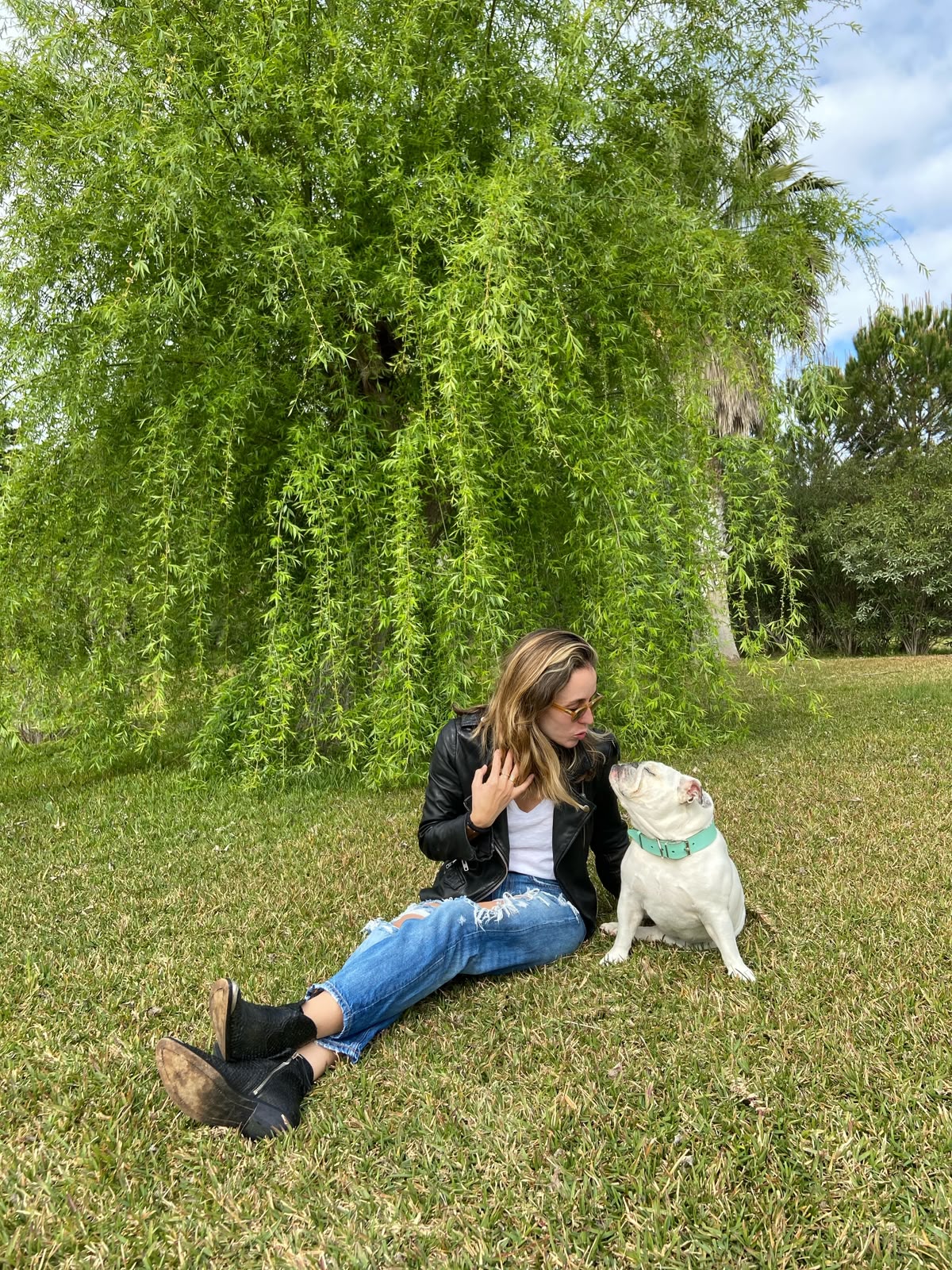
How they know your schedule, your sounds, your moods.
How you can step out for five minutes and when you come back it looks like you've been gone for six months.
They're incomparable company.
It's "unconditional love."
Their ability to be present. They're there.
Without wondering what they get in return.
They're simply with you.
And maybe the only truly cruel thing about loving a dog like this is that, from the very beginning, there's a kind of silent agreement none of us wants to think about too much:
You know you'll probably outlive them, and that one day it's going to break your heart. And you do it anyway: the years they give you are worth that pain.
I'd choose Antonia again a thousand times over.
She came into my life completely by chance, and she changed my life.
She taught me about patience, responsibility, respect, empathy and a kind of love I didn't know existed, one I would have missed.
I thought I was taking on a responsibility.
I never imagined I was meeting one of the great loves of my life.
— Roberta Lobeira
The views of our guest contributors are their own.